
Lower heating and cooling costs
Insulated walls reduce the rate of heat transfer, so your heater and air conditioner run less often. This directly cuts energy bills, especially in Moorabbin where temperature swings are common.
Moorabbin Wall Insulation
Expert Insulation Melbourne installs wall insulation in Moorabbin homes to cut winter heat loss and summer heat gain through external walls. Suitable for brick veneer, double brick and weatherboard homes during renovations or new builds.
Share your details and Expert Insulation Melbourne will contact you about Wall Insulation in Moorabbin.
Wall insulation is installed into the stud cavities of external walls to slow heat transfer through brick veneer, double brick or weatherboard construction. In Moorabbin’s climate of cold winters and hot summers, uninsulated walls let heat escape in winter and enter in summer, forcing heating and cooling systems to work harder. Fitting batts into open stud frames during renovations, extensions or new builds is the most effective way to improve thermal resistance and reduce energy costs.
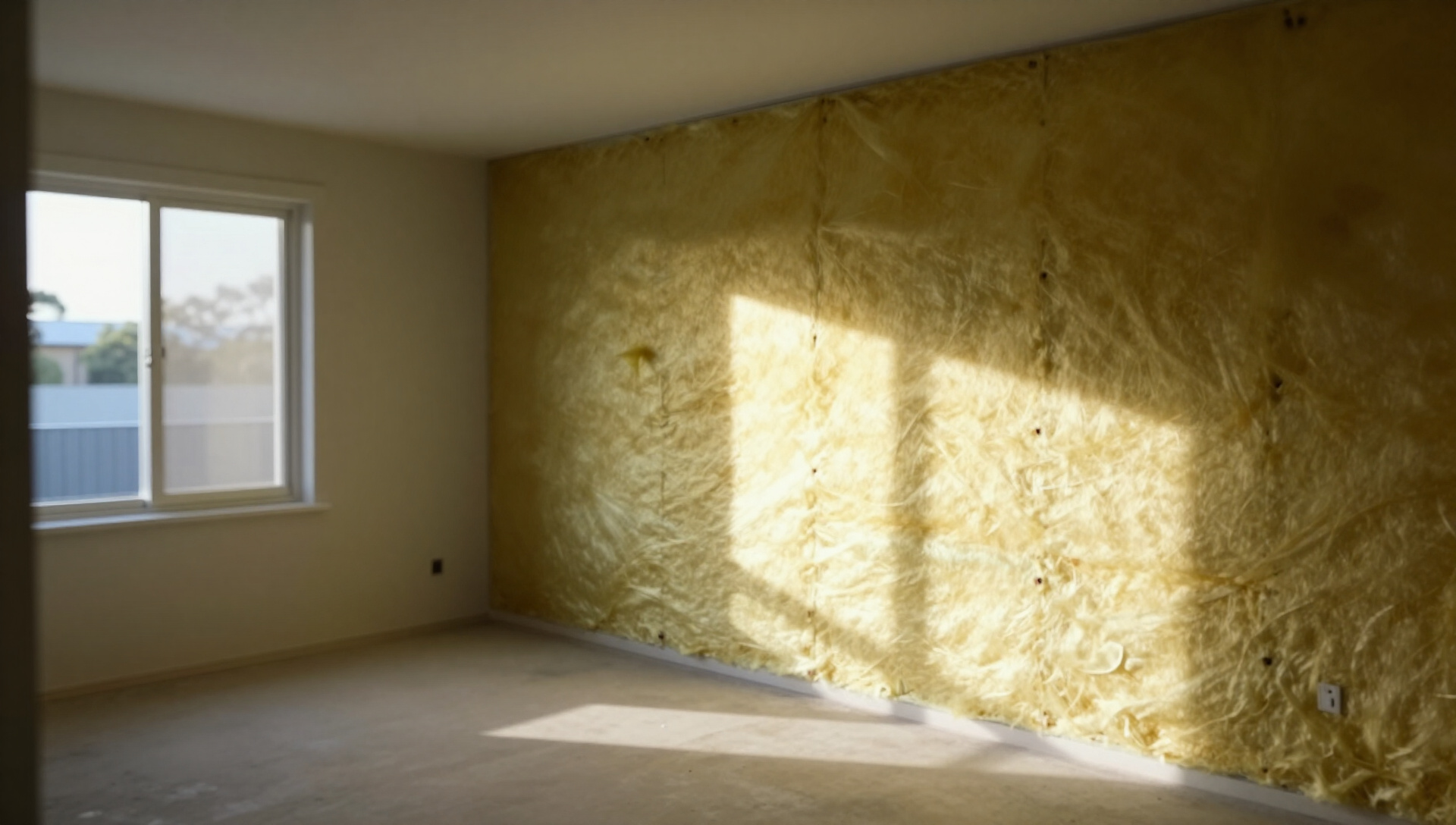
Moorabbin’s mix of older brick homes and newer builds often lacks wall insulation, leading to cold walls in winter and overheated rooms in summer. Properly installed wall insulation addresses these issues while delivering long-term benefits for comfort and efficiency.
Insulated walls reduce the rate of heat transfer, so your heater and air conditioner run less often. This directly cuts energy bills, especially in Moorabbin where temperature swings are common.
Bulk batts in stud walls and cavity fills in brick veneer slow heat flow, keeping living areas warmer in winter and cooler in summer without hot or cold spots near external walls.
Insulation raises the surface temperature of internal walls, lowering the risk of condensation forming on cold surfaces. This helps prevent mould growth in Moorabbin’s damp winters.
Acoustic batts fitted in internal walls dampen noise transfer between rooms, useful in Moorabbin homes near busy roads like South Road or flight paths.
Homes with wall insulation are more energy efficient and comfortable, which can be a selling point for buyers in Moorabbin’s competitive property market.
Quality glasswool, polyester or rockwool batts retain their thickness and R-value over time, provided they stay dry and undisturbed within the wall cavity.
Wall insulation is most effective when installed during construction or major renovations when stud frames are exposed. For existing brick veneer homes, cavity wall insulation can be injected through small holes. Here’s how the process works for each method.
The installer checks the wall type, stud spacing and any existing services like electrical cables or plumbing. For cavity fills, the suitability of the wall is confirmed, including moisture levels and the presence of an air gap.
For new builds or renovations, batts are cut to fit snugly between studs without gaps or compression. The material is held in place by friction and stapled flanges, with no gaps around edges or obstructions.
Small holes are drilled into the mortar joints of brick veneer walls. Loose-fill insulation is then blown into the cavity using specialised equipment, filling the space without disturbing the wall structure.
For cavity fills, the injection holes are patched to match the existing mortar. In open stud installations, the wall lining is fitted over the batts, ensuring no insulation is left exposed.
Moorabbin’s housing stock includes a mix of postwar brick veneer homes, older weatherboard houses and newer developments. Many of these properties were built without wall insulation, leading to poor thermal performance. Brick veneer homes are often suitable for cavity wall insulation, while weatherboard and stud-frame homes can have batts installed during renovations. Nearby suburbs like Highett and Cheltenham share similar housing types and climate challenges, making wall insulation a practical upgrade for the area.
Improve thermal comfort in Moorabbin homes with expert wall insulation installation.
Homeowners in Moorabbin often have questions about wall insulation, from suitability to cost factors. Here are the most common queries and straightforward answers.
Wall insulation in Moorabbin addresses the common issue of heat loss and gain through uninsulated external walls. In brick veneer, double brick and weatherboard homes, the lack of thermal resistance means heating and cooling systems must compensate for rapid temperature changes. Installing bulk batts in stud frames or injecting cavity fill into brick veneer walls significantly improves thermal performance, reducing energy costs and enhancing comfort.
For Moorabbin residents, the choice of insulation material depends on the wall type and budget. Glasswool and polyester batts are popular for stud walls due to their high R-value and non-combustible properties. Cavity wall insulation uses loose-fill materials designed to flow into the cavity without settling. Acoustic batts can also be added to internal walls to reduce noise transfer, which is beneficial in denser suburban areas.
The cost of wall insulation in Moorabbin varies based on factors like wall area, access, existing construction and the chosen R-value. Cavity wall insulation is typically more affordable for existing homes, while batt installation during renovations offers higher thermal resistance. A professional assessment will determine the best approach for your property, ensuring compliance with clearance requirements and avoiding common issues like gaps or compression.
Improve your home’s thermal performance with wall insulation installed by Expert Insulation Melbourne. Call 0399695249 or email info@expertinsulationmelbourne. com. au to discuss your Moorabbin property.